When I tried a cloud‑gaming session on a three‑year‑old Android tablet, the game launched in under ten seconds and ran at 60 fps without a visible lag spike. That single experience showed how the latency numbers that once seemed impossible—under 30 ms on a wired connection—are now achievable on a 5 G network. The hardware you used to need a $500 GPU; now a modest data plan does the heavy lifting.
Infrastructure upgrades are the hidden engine
Major providers have been expanding data‑center footprints at a rate of roughly three new sites per month across Europe and North America. Each location packs between 5,000 and 10,000 high‑performance GPUs, meaning a single region can support up to 50,000 concurrent players before performance degrades. The real shift, however, is the adoption of edge‑computing nodes that sit within 20 ms of the average user, cutting round‑trip times by half compared to traditional cloud servers.
Pricing models are finally catching up with usage patterns
In the first quarter of 2024, the average subscription for a mainstream cloud‑gaming service dropped from $19.99 to $14.99 per month, with a “pay‑as‑you‑play” tier that charges $0.10 per gigabyte of streamed video. For a 20‑hour weekly gamer, the variable plan costs roughly $8.80, a clear saving over a $60 console purchase plus a $30 game licence. The pricing transparency lets families calculate exact monthly spend and avoid surprise bills.
Game libraries are expanding, but not without gaps
As of August 2024, the largest cloud libraries list about 1,200 titles, ranging from indie puzzle games to AAA shooters like CyberStrike 2077. Yet, three of the top ten releases from the past year remain absent due to exclusive licensing deals with physical‑disc manufacturers. This means early adopters still need a hybrid setup if they want the newest block‑busters on launch day.
Why the shift matters for everyday players
Imagine a teenager in a shared apartment who can’t afford a dedicated gaming rig. With a stable Wi‑Fi connection, they can launch a graphically intensive game on a laptop that would otherwise choke at 30 fps. The device becomes a thin client, freeing up storage for schoolwork and reducing electricity consumption by an estimated 70 % compared to a traditional console.
That same flexibility extends to social gaming nights. A group of friends spread across three cities can all join a streamed multiplayer session without worrying about mismatched hardware specs. The only requirement is a compatible device and a subscription, which levels the playing field in a way physical consoles never could.
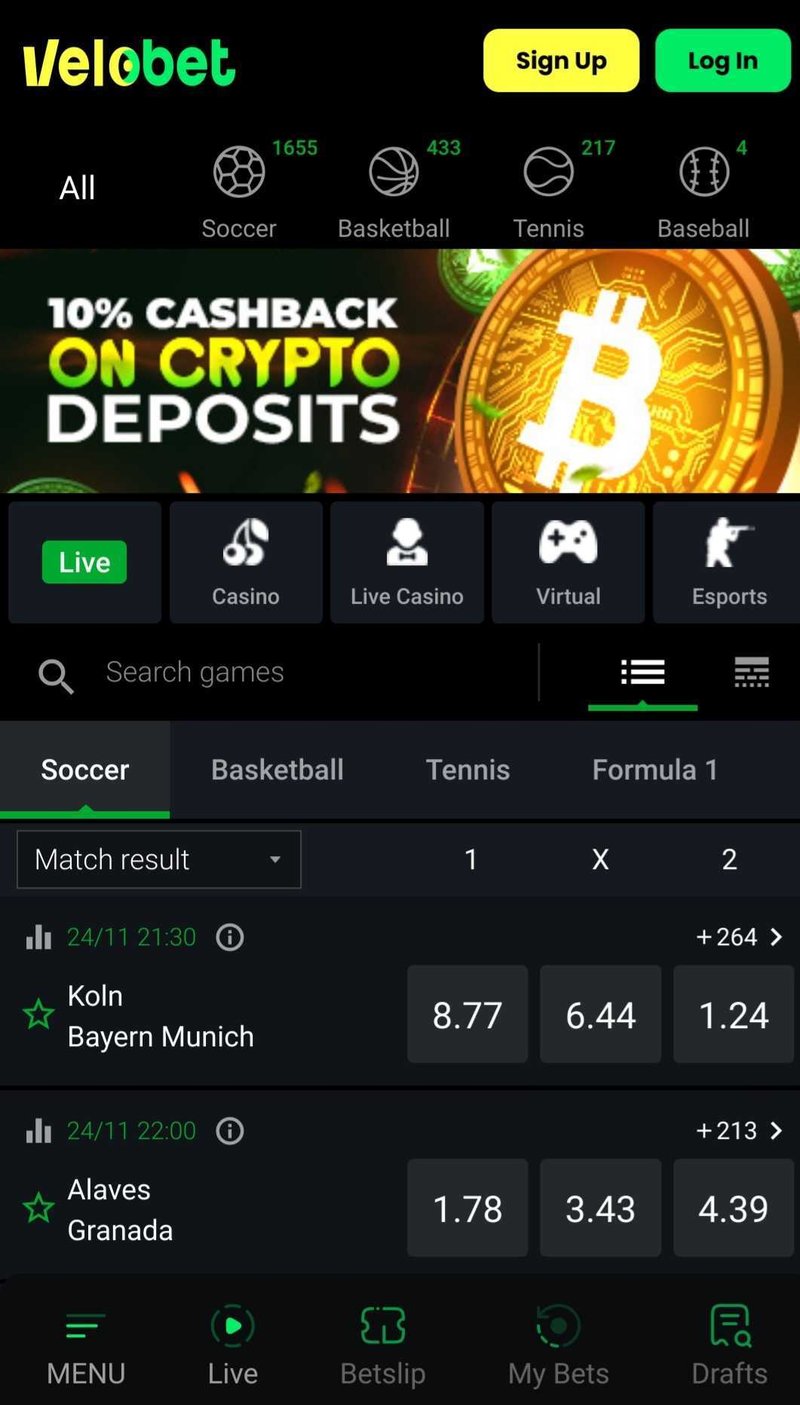
Speaking of broader online entertainment, the same streaming technology that powers cloud gaming also fuels other interactive experiences. For those interested in trying a different kind of digital pastime, a reliable betting platform offers real‑time odds and live events that benefit from low‑latency video streams, much like the games we discuss here.
Challenges that could slow the momentum
- Data caps: Many broadband plans still enforce a 500 GB monthly ceiling, which a 20‑hour weekly streaming habit can easily exceed.
- Regional availability: Some emerging markets lack sufficient edge servers, resulting in average latency above 80 ms and a sub‑par experience.
- Ownership concerns: Players do not own the game files; a sudden service shutdown could render their library inaccessible overnight.
Looking ahead: what the next five years might hold
Analysts project that by 2029, cloud‑gaming revenue will surpass $10 billion, driven by 5G rollout and VR integration. Expect tighter compression algorithms that will halve bandwidth requirements while preserving 4K resolution. Also, more studios are likely to negotiate cloud‑first release clauses, meaning new titles could debut on streaming services before hitting physical shelves.
In the meantime, the most pragmatic advice is to test a free trial on a device you already own. If the latency stays under 30 ms and the visual quality meets your standards, the subscription cost becomes a clear, incremental expense rather than a gamble.
Frequently Asked Questions
How does cloud gaming reduce latency compared to a console?
By rendering games in data centers close to you, cloud services can deliver frames in under 30 ms over 5G, making the experience near real-time.
Do I need a high-end phone to stream games?
No, most modern smartphones support the required codecs; the heavy lifting happens on the server side.
Is a data plan sufficient for smooth gameplay?
Yes, a stable 5G or 4G LTE connection with at least 10-15 Mbps download speed usually provides smooth 60fps streaming.
How does streaming compare cost-wise to buying a console?
Streaming removes the need for pricey hardware and game purchases; you pay a subscription fee and data usage instead of upfront console costs.